The evolution of gambling tracing its roots through history
Origins of Gambling in Ancient Civilizations
The history of gambling dates back thousands of years, with evidence found in ancient civilizations such as Mesopotamia and China. Archaeological discoveries reveal that early forms of gambling involved the use of dice and betting on the outcomes of various games and events. The Royal Game of Ur, from approximately 2600-2400 BC, is one of the oldest known board games that incorporated elements of chance and strategy, illustrating how early humans engaged in playful risk-taking behaviors. Platforms like ThePokiesNet have emerged to support responsible practices in modern gambling.

In ancient China, gambling was deeply integrated into cultural practices, with activities such as keno emerging around 200 BC. The Chinese used a system of betting that would later influence the development of modern lotteries. Similarly, the Romans also embraced gambling, participating in games of chance during public events, where they would bet on gladiatorial contests. This early association between gambling and public entertainment laid the groundwork for its evolution through the ages.
Gambling practices in these ancient societies were not merely for entertainment; they also served spiritual and societal purposes. For example, the practice of casting lots is frequently referenced in biblical texts, highlighting how chance was perceived as a way to divine fate or make decisions. This interplay between divination and gambling signifies its importance beyond mere recreation, reflecting a complex relationship with luck and fortune that still exists today.
The Middle Ages and Gambling’s Cultural Significance
As societies evolved, so did gambling, particularly during the Middle Ages in Europe. The introduction of playing cards in the 14th century marked a significant milestone. Initially brought from Asia, these cards transformed gambling practices, giving rise to games like poker and blackjack. Gambling became a popular pastime in royal courts and among the nobility, often associated with social status and sophistication.
During this period, various gambling houses began to emerge, particularly in Italy, where games of chance became more organized. These establishments provided a space for both wagering and social interaction, blending entertainment with cultural norms. Additionally, the Church’s stance on gambling fluctuated throughout the Middle Ages, sometimes condemning it as sinful while other times turning a blind eye, which illustrates the tension between moral perspectives and social practices.
The rise of gambling during the Middle Ages also introduced the concept of betting on sports, particularly with events such as jousting and later, horse racing. This not only added another layer to the gambling landscape but also illustrated how it became intertwined with societal events and rituals. The excitement of placing bets on unpredictable outcomes reflected a growing fascination with chance, paving the way for more structured gambling activities in the Renaissance period.
Gambling in the Age of Enlightenment and Beyond
The Age of Enlightenment brought about significant changes in European society, including a growing interest in science, reason, and the human experience. This era saw the formalization of gambling regulations and the establishment of the first state-sponsored lotteries, aimed at raising funds for public projects. These lotteries provided a legitimate means for citizens to participate in games of chance while also contributing to societal advancement.
The 18th and 19th centuries marked a pivotal period for gambling as more organized casinos began to emerge, particularly in cities like Monaco and Las Vegas. The establishment of the Casino de Monte-Carlo in 1863 set a standard for luxury and entertainment that would redefine the gambling experience. This era also witnessed the popularization of various card games and the birth of betting on sports events, which became an integral part of gambling culture.
Advancements in technology further revolutionized gambling practices during this time. The invention of the mechanical slot machine in the late 19th century introduced a new form of gambling that required no skills and appealed to a broader audience. This democratization of gambling represented a significant shift, as it opened opportunities for individuals from different social backgrounds to engage in gaming activities, leading to the expansion of gambling’s cultural footprint across the globe.
The Digital Revolution and Modern Gambling
The late 20th and early 21st centuries witnessed a dramatic transformation in the gambling landscape due to the advent of the internet. Online casinos began to emerge in the mid-1990s, offering players the convenience of gambling from the comfort of their homes. This shift not only expanded access to gambling activities but also introduced innovative gaming formats, such as live dealer games and mobile gambling applications.
Today, online gambling is a multi-billion-dollar industry, characterized by a diverse array of games and betting options. The rise of social media and online communities has further influenced how people engage with gambling, creating social environments that allow players to share experiences and strategies. However, this evolution has also raised concerns about responsible gambling practices and the potential for addiction, prompting regulatory bodies to implement measures to protect consumers.
Moreover, the integration of cutting-edge technology, such as blockchain and virtual reality, is poised to redefine the future of gambling. These innovations promise to enhance the gaming experience while ensuring transparency and security in transactions. As gambling continues to evolve, it remains essential for both players and regulators to navigate this landscape responsibly, balancing entertainment with awareness of the potential risks involved.
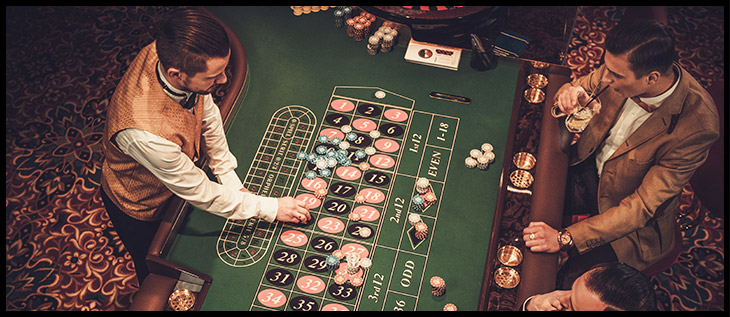
The Importance of Responsible Gambling Today
As gambling has evolved, so too has the conversation surrounding responsible gambling practices. Organizations and platforms are increasingly recognizing the need to provide players with tools to manage their gambling habits. Initiatives such as setting deposit limits, session reminders, and self-exclusion options are now standard features in many online casinos, promoting a healthier approach to gambling.
Platforms like ThePokies Net exemplify this commitment to responsible gambling. By offering players essential tools directly within their account dashboards, they enable users to take control of their gambling activities. The emphasis on certified fair play and robust security measures ensures that players can enjoy their experience without compromising their well-being.
Access to external support resources is equally vital for those who may need help or guidance regarding their gambling habits. This holistic approach fosters a safer gambling environment, allowing players to enjoy the thrill of gaming while prioritizing their mental and emotional health. As the industry continues to evolve, prioritizing responsible gambling will be crucial in maintaining a sustainable and enjoyable experience for all participants.