The Allure of the Casino Environment
The modern casino environment is meticulously designed to entice and engage players. From the moment a visitor enters, they are greeted with vibrant colors, flashing lights, and the alluring sounds of jackpot winnings. This sensory overload is a deliberate tactic to stimulate excitement and create a sense of euphoria, making it difficult for gamblers to leave. The atmosphere is crafted to evoke feelings of both anticipation and urgency, compelling individuals to explore every corner of the establishment, including places like Chicken Road where unique gaming experiences await. This design strategy is not just about aesthetics; it is about creating a psychological space where players feel compelled to stay and play.
Certain design elements, such as the layout and flow of the gaming floor, play a crucial role in the psychology of gambling. Casinos often employ a labyrinthine structure that prevents easy navigation, encouraging players to wander and discover new games. This physical disorientation, combined with the absence of clocks and windows, creates a timeless experience, further intensifying the desire to continue playing. Gamblers often lose track of time, further fueling their engagement in the games. The strategic placement of high-stakes tables and popular slot machines near entrances ensures that players are drawn in by the potential for high rewards.
Moreover, the social aspect of casinos cannot be understated. Many gamblers are drawn not only to the games but also to the interactions with other players and staff. The presence of dealers and other participants introduces an element of community and shared experience. This social interaction can heighten emotional responses; a winning streak becomes a collective celebration, while losses can lead to shared support. The sense of camaraderie found in casinos can create a powerful bond among players, making the experience more enjoyable and reinforcing the desire to return. This community aspect is a significant factor that keeps gamblers returning to the casino, as they seek both the thrill of the game and the joy of social interaction.
The Role of Risk and Reward
The psychology of gambling is deeply rooted in the concepts of risk and reward. Gamblers are often attracted to the thrill of potential losses and gains, which creates an adrenaline rush akin to that experienced in high-stakes scenarios. This heightened state of arousal triggers the brain’s reward system, leading to the release of dopamine, a neurotransmitter associated with pleasure. When a player wins, they not only experience financial gain but also a psychological high, reinforcing the behavior and driving them to gamble more. This cycle of risk and reward can lead to an addictive pattern, as the brain begins to crave the rush associated with gambling.
Furthermore, the concept of ‘near misses’ plays a critical role in sustaining gambling behavior. When players come close to winning, they may feel an emotional surge that motivates them to continue playing, believing that success is just around the corner. This phenomenon taps into the concept of cognitive biases, where individuals overestimate their chances of winning based on past experiences. For instance, a player who frequently experiences near wins may be more likely to continue gambling, convinced that they are on the verge of a big payout. The allure of imminent success can create a cycle of chasing losses, leading to repetitive gambling behavior that can be difficult to break.

Casinos often exploit the risk-reward dynamic through various promotional strategies, such as bonuses and loyalty programs. These incentives are designed to create a perception of value, encouraging players to take risks they might otherwise avoid. For example, offering a free play credit or a matching bonus can entice gamblers to wager more than they initially planned. By framing gambling as an opportunity for financial gain, casinos amplify the excitement and allure, even among those who may not typically engage in high-risk activities. This manipulation of human psychology is central to the casino’s business model and highlights the complex interplay between marketing and gambling behavior.
Psychological Triggers and Behavioral Patterns
Understanding the psychological triggers that motivate gamblers can provide insight into their behavior. Many players engage in gambling as an escape from reality, using the environment to disconnect from stressors in their lives. For some, the casino becomes a sanctuary where they can immerse themselves in the thrill of the game, temporarily sidelining personal challenges. This coping mechanism can become problematic, leading to compulsive gambling tendencies if not addressed. The allure of the casino environment provides a distraction, but it can also mask underlying issues that need attention.
Moreover, the perception of control plays a significant role in gambling behavior. Gamblers often believe that they can influence the outcome of games through strategies or rituals. These beliefs, although unfounded in games of chance, lend a sense of autonomy and control over their experiences. For instance, a player may have a specific routine before placing a bet, believing that it will increase their chances of winning. This cognitive illusion can bolster the urge to gamble, as players feel empowered by their decisions, despite the randomness of the outcomes. Understanding this perception is crucial for recognizing the psychological patterns that underlie gambling behavior.
Additionally, emotional states can significantly impact gambling activities. Many gamblers experience heightened emotions during gameplay, which can lead to impulsive decisions. Feelings of frustration or elation can skew judgment, pushing individuals to take risks they might normally avoid. For example, a player who wins a significant amount may feel invincible, leading them to wager more aggressively. This emotional rollercoaster reinforces the connection between gambling and mood regulation, as players seek to replicate the highs while escaping negative feelings. The interplay between emotion and cognition is a vital area of study in gambling psychology, as it reveals how deeply personal experiences shape gambling behavior.
The Dangers of Problem Gambling
While gambling can be an entertaining pastime, it also poses significant risks of addiction and problem behavior. The dopamine-driven cycle that reinforces gambling can lead to compulsive habits that disrupt personal and financial wellbeing. Many individuals might initially gamble for enjoyment but find themselves trapped in a cycle of chasing losses, leading to increasing financial and emotional distress. This pattern can escalate rapidly, often resulting in severe consequences for the gambler and their loved ones. The initial thrill of gambling can quickly turn into a source of anxiety and regret, highlighting the darker side of this recreational activity.
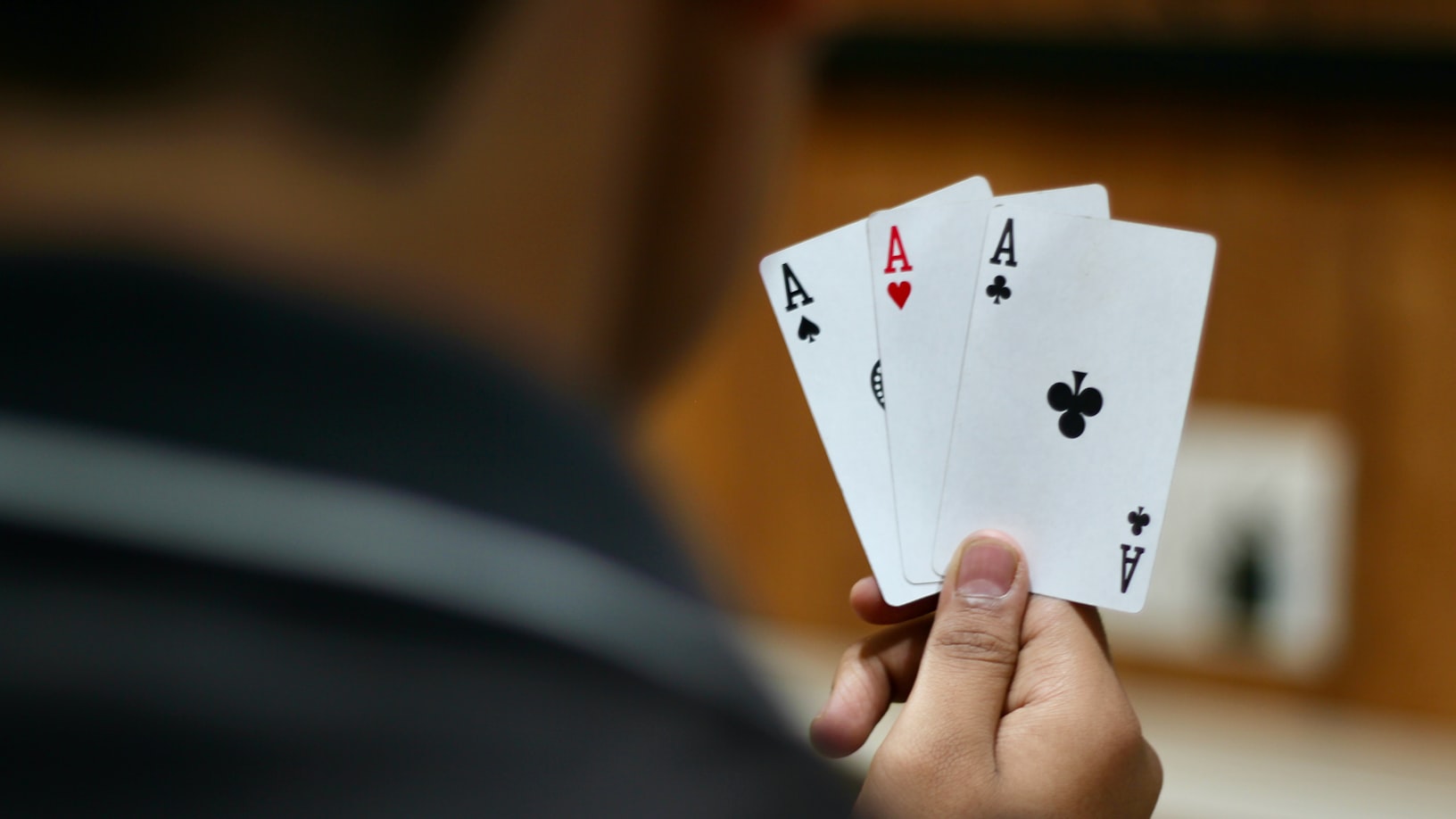
Moreover, the normalization of gambling in popular culture and media can perpetuate the idea that it is a harmless activity, masking the potential for addiction. Many gamblers may not recognize the signs of problematic behavior until it’s too late. This lack of awareness can contribute to a stigma that discourages individuals from seeking help. Understanding the psychological underpinnings of gambling addiction is essential for developing effective prevention and treatment strategies. Public awareness campaigns and educational resources can help demystify gambling addiction and encourage individuals to seek assistance if needed.
Treatment options for problem gamblers often combine therapy, support groups, and self-exclusion measures. Cognitive-behavioral therapy, for example, addresses the thought patterns that drive gambling behavior, helping individuals to understand and alter their habits. Support groups provide a shared space for recovery, allowing individuals to connect with others facing similar challenges. Recognizing the need for assistance is a crucial step toward reclaiming control and developing healthier coping mechanisms. By fostering a supportive environment, individuals can work towards overcoming their gambling issues and finding a path to recovery.
Further Exploration of Gambling Psychology
For those interested in delving deeper into the psychology of gambling, various resources are available that address the complexities of this behavior. Websites dedicated to gambling addiction provide information on risk factors, signs of problematic gambling, and resources for support. Educational platforms also offer insights into the psychological mechanisms that drive gambling behavior, allowing individuals to better understand their motivations. Engaging with literature on behavioral psychology can enhance understanding of the interplay between cognitive biases and gambling decisions, helping individuals reflect on their own behaviors.
Additionally, mental health organizations often publish research and articles exploring the impact of gambling on individuals and society. These resources can help not only gamblers but also their friends and family members comprehend the challenges associated with this activity. Knowledge gained from these studies can empower individuals to seek help or support others who may be struggling with gambling-related issues. By promoting awareness and understanding, we can create a more informed community around gambling and its psychological impacts.
In conclusion, the psychology of gamblers in modern casinos is a multifaceted topic that intertwines emotional, social, and environmental factors. Understanding these dynamics is crucial for both gamblers seeking to comprehend their behavior and for stakeholders aiming to provide effective support and resources. By exploring the psychological aspects of gambling, we can foster greater awareness and help mitigate the risks associated with this popular yet potentially dangerous pastime. Raising awareness about the psychological elements involved in gambling can lead to more informed decisions and healthier gambling practices.